

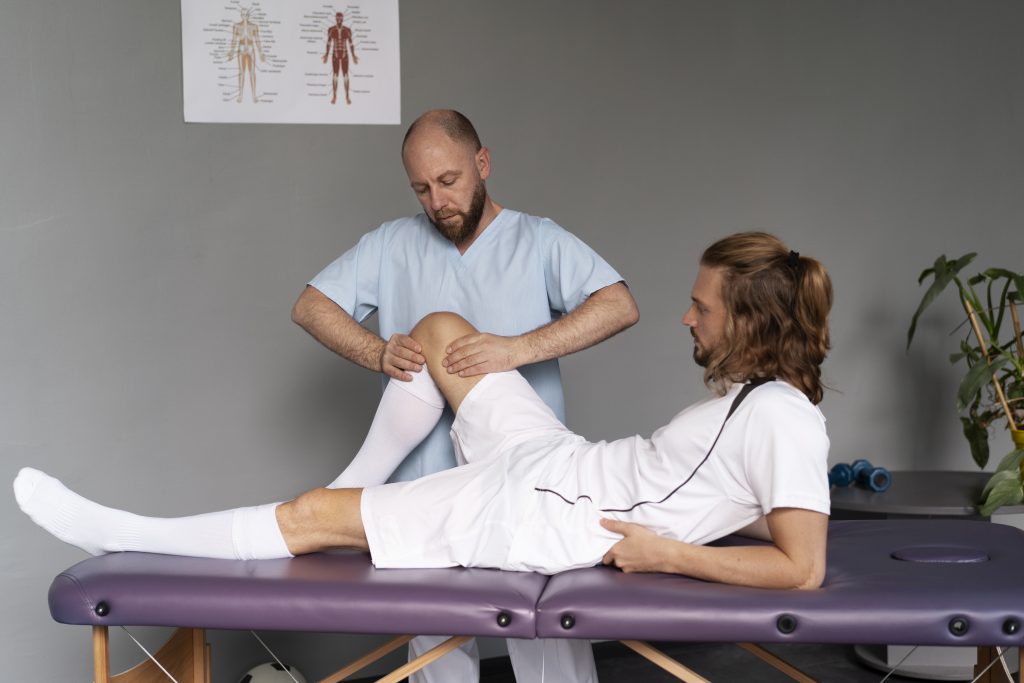
Sciatica is a common yet often debilitating condition that affects millions of people worldwide. Characterized by pain that radiates from the lower back down through the hips, buttocks, and legs, sciatica can significantly impact daily activities and quality of life. At Evoque Physio, specialized physiotherapy for sciatica focuses on addressing the root cause of pain, restoring movement, and helping patients return to an active, pain-free lifestyle.
This article explains how Evoque Physio’s evidence-based physiotherapy approach can effectively reduce sciatica pain and support long-term recovery.
Understanding Sciatica and Its Causes
Sciatica is not a condition itself but a symptom of irritation or compression of the sciatic nerve, the longest nerve in the body. This nerve originates in the lower spine and travels down each leg. When it becomes compressed or inflamed, it can cause symptoms such as:
- Sharp or burning pain in the lower back, buttocks, or leg
- Tingling, numbness, or weakness in the leg or foot
- Pain that worsens with sitting, bending, or prolonged standing
Common causes of sciatica include herniated or bulging discs, spinal stenosis, muscle tightness (especially the piriformis muscle), poor posture, and repetitive strain. Without proper treatment, symptoms can persist or worsen over time.
Why Physiotherapy Is One of the Most Effective Treatments for Sciatica
Physiotherapy is widely recognized as a first-line treatment for sciatica because it is non-invasive, safe, and highly effective. Rather than masking pain, physiotherapy targets the underlying mechanical and muscular issues causing nerve irritation.
At Evoque Physio, treatment plans are designed to:
- Reduce pressure on the sciatic nerve
- Improve spinal and pelvic alignment
- Strengthen supporting muscles
- Restore flexibility and movement
- Prevent future flare-ups
This holistic approach promotes healing while minimizing the need for medication or surgery.
Evoque Physio’s Personalized Assessment for Sciatica
One of the key reasons physiotherapy at Evoque Physio is effective is the emphasis on individualized assessment. Every patient’s sciatica is different, and successful treatment begins with understanding the exact cause of pain.
During your initial consultation, a qualified physiotherapist will assess:
- Posture and movement patterns
- Spinal alignment and mobility
- Muscle strength and flexibility
- Nerve tension and irritation
- Daily activities and lifestyle factors
This thorough evaluation allows the physiotherapist to create a customized treatment plan tailored to your condition and recovery goals.
Targeted Pain Relief Techniques Used at Evoque Physio
Evoque Physio uses a combination of proven physiotherapy techniques to reduce pain and inflammation associated with sciatica.
Manual Therapy
Hands-on techniques such as joint mobilization and soft tissue release help reduce muscle tension, improve spinal movement, and relieve pressure on the sciatic nerve.
Therapeutic Exercises
Specific exercises are prescribed to strengthen core and back muscles, improve flexibility, and stabilize the spine. These exercises help correct imbalances that contribute to nerve compression.
Stretching and Mobility Work
Gentle stretching of tight muscles, particularly in the lower back, hips, and legs, improves mobility and reduces nerve irritation.
Postural Correction
Poor posture is a common contributor to sciatica. Physiotherapists at Evoque Physio educate patients on correct sitting, standing, and lifting techniques to reduce strain on the spine.
Reducing Sciatica Pain Through Movement and Strength
Contrary to common belief, rest alone is not the solution for sciatica. Controlled movement and strengthening are essential for recovery. Evoque Physio focuses on Physiotherapy clinic near me , encouraging patients to move safely and confidently.
Strengthening key muscle groups—such as the core, glutes, and lower back—helps support the spine and reduces recurring nerve compression. Over time, this leads to:
- Less pain during daily activities
- Improved balance and coordination
- Greater flexibility and endurance
- Reduced risk of future sciatica episodes
Education and Self-Management for Long-Term Relief
An important part of physiotherapy for sciatica at Evoque Physio is patient education. Understanding your condition empowers you to manage symptoms effectively and avoid triggers.
Patients receive guidance on:
- Home exercise programs
- Safe activity modification
- Ergonomic workplace setup
- Proper sleeping positions
- Gradual return to exercise or sports
This proactive approach ensures that improvements continue even after in-clinic sessions end.
Benefits of Choosing Evoque Physio for Sciatica Treatment
Choosing Evoque Physio means receiving care that is professional, personalized, and results-driven. Key benefits include:
- Experienced and qualified physiotherapists
- One-on-one treatment sessions
- Evidence-based treatment methods
- Focus on long-term recovery, not just short-term relief
- Supportive and patient-centered environment
By addressing both symptoms and underlying causes, Evoque Physio helps patients achieve lasting relief from sciatica pain.
When to Seek Physiotherapy for Sciatica
If you are experiencing persistent lower back or leg pain, numbness, or tingling, early physiotherapy intervention is crucial. Delaying treatment can lead to prolonged discomfort and reduced mobility.
Physiotherapy is especially beneficial if:
- Pain lasts longer than a few days
- Symptoms worsen with movement or sitting
- You experience weakness in the leg
- Sciatica interferes with work or daily life
Early treatment often leads to faster recovery and better outcomes.
Conclusion
Sciatica can be painful and disruptive, but it does not have to control your life. Evoque Physio’s physiotherapy for sciatica focuses on relieving pain, restoring movement, and preventing recurrence through personalized, evidence-based care.
By combining expert assessment, targeted treatment techniques, strengthening exercises, and patient education, Evoque Physio provides a comprehensive solution for sciatica pain relief. Whether your symptoms are mild or chronic, physiotherapy can help you move better, feel stronger, and regain confidence in your body.
